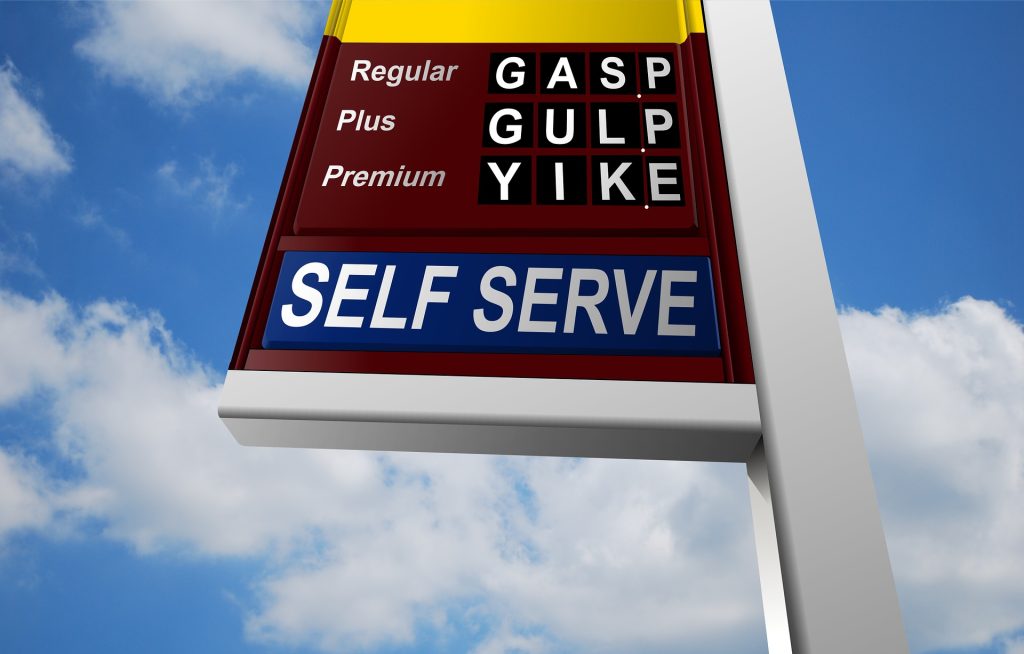
The third Gulf War has been going on for over two months, and although a ceasefire has been agreed to, shots are still being exchanged by both sides. When it will all end is too uncertain for now, but what would happen with the price of oil if and when it does finally end? Here is a breakdown of all that must transpire after a peace agreement is made and before the price of crude oil returns to $80 per barrel or less.
Gulf Producers Must Ramp Up to Prewar Output Levels: When the shooting started, the Strait of Hormuz was closed bottling up perhaps as many as 450 or more oil tankers along with many other cargo carriers. When oil is pumped it must be stored before transport is made available. Most of the refineries located in the Gulf process crude oil into useable fuels for domestic use only, although the trend in Saudi Arabia is to increase exports of refined oil products. But without crude being exported or used domestically it must be stored, and the storage capacities in and around the Gulf are predominantly filled up. This lack of storage required the producers to shut down most processing all the way back to the pump. In the event of lasting peace, the backlog of crude in storage would need to move out to transport before full production could be reinstated in most locations. Assuming this step is made, the pumps must be inspected and pipelines cleared of any blockages before startup. The wells must be restarted with the pressure being applied gently at first to avoid any damage to the reservoirs. The separators, compressors, and treatment plants must be initialized, and this adds up to between two and four weeks before production is completely restored. And as reminder, none of this can start until sufficient storage capacity is available, and that happens when existing supplies are shipped.
Transport Crude Oil to Destination Refineries: Typically speaking, Gulf States can load a two-million-barrel supertanker in fifteen to twenty hours. With all the docking procedures required before and after loading, the ship is alongside between one and two days, or eighteen to thirty-six hours. This assumes no weather issues, adequate berths available that can handle high speed pumping, and no other delays such as traffic in and out of the port facility. Some of the loading infrastructure in certain locations was damaged during the fighting limiting at least temporarily the availability of berthing. Once loaded, the ship is ready to sail under normal conditions, and the backlog of ships currently tied up could be cleared in about two weeks. But normal conditions currently do not exist, and most captains and masters would prefer to see several weeks of a dead calm in the fighting in the entire Gulf before chancing the risky voyage out through the Strait. Marine insurance has been cancelled for most clients, and those companies that still cover oil shipments from the Gulf are getting as much as 10% more for premiums. Even a return to normal pricing might slow some of the shippers from coming back to the area as they were slow to return after the Houthi Rebels in Yemen finished firing at ships in the Red Sea last November. Adding to the dilemma is the turned-around logistics for most shippers. With the Strait closed, many ships have turned to other ports across the Atlantic Ocean in North and South America. Depending on their existing location it may take as long as ninety days for new tankers to finish their current voyage and be relocated to the Gulf for a new load. Tankers travel at sea making about 13-14 knots (about 15-18 miles per hour). This translates into a voyage from a Gulf originating point to an east Asian destination (Japan, South Korea) of about twenty to thirty days depending on the route. No matter when the reopening of the Strait takes place the cost of shipping crude oil to foreign locations will be significantly higher and passed along in the form of higher marine rates to buyers in the receiving country.
Refineries Process the Crude Oil in to Saleable Products: A number of refineries particularly in Asia have shut down processing units owing to a lack of crude. Restarting them could take several weeks and would likely need to have a certain level of crude in storage before this restarting effort could begin. If an emergency occurred forcing further shutdowns, it could be several months before the affected refinery is back up to speed. All these several steps (and potentially others) must take place before saleable petroproducts can be marketed in retail outlets, and the end users can begin to see even slightly lower prices.
Liquid Natural Gas (LNG) Has Even More Complications: Nearly one-fifth of the world’s LNG comes from a huge processing facility in Qatar. After Iranian drone and missile strikes, the plant was shut completely down. Two of the plant’s fourteen liquefaction units were damaged impacting 17% of its capacity. The worst of it is the repairs to the damaged units will take three to five years, and weeks of repairs are required to the remainder of the facility before any operations can continue. Every month the plant remains closed shortens the annual worldwide LNG supply by about two percent. Once the maintenance is complete and the available units are ready to open up, the restart is tricky and must be handled slowly and carefully. The equipment must be inspected and purged of any moisture to ensure no fissures in the piping will occur when the processors are cooled back down to -256 degrees Fahrenheit. The piping metal must contract evenly for the unit to remain intact. If the process is not carefully controlled, the welds could break causing further damage and a shutdown to repair it. Once the unit is cooled and the gas is processed into liquid, the plant can resume loading operations. The process of loading vessels equipped to handle LNG generally takes a slightly less amount of time than loading those that carry crude oil, but the safety checks and other precautionary measures require about the same amount of time for the vessel to remain alongside.
Impact on End Users: The last shipments of LNG from Qatar to pass through the strait arrived at their European and Asian destinations in early-to-mid April. Shippers in other locations are unlikely to make up the difference setting up a long-term shortage that could last into winter in the Northern Hemisphere. Many European countries use the spring and summer months to load up reserves of LNG for the coming winter. In Asia the effort to furnish LNG for the winter months is done via contracting for deliveries at certain times before the winter season so that supplies flow smoothly. As the existing supplies begin to dwindle, bidding wars could commence thereby driving the prices even higher of those suppliers who are still able to ship. Global stocks of crude oil are in the lower third of their historical range for this time of year, and won’t be built back before the Strait is open and the aforementioned processes take place.
Conclusions: If the war stopped today, it would take at least four to five months before any semblance of prewar production could be reached. All of the non-producing countries’ supply buffers being refilled could inhibit this timing as well as the prices. In the final analysis, the pricing of crude could stay above $80 per barrel for months afterward. This translates into higher costs for gasoline, diesel, marine, and other motor fuels, along with higher costs for LNG used in home heating, electricity generating, and other industrial usages. All this adds up to extended inflation which can have a snowball effect down the road. Extended inflation can prevent the Federal Reserve from lowering interest rates. Higher rates during inflationary times increase the cost of capital to businesses inhibiting economic growth. Higher mortgage rates stymy the housing market, and so on and so forth.
Sources: The Economist, The War Economy (2), Smoke and Horrors, March 28, 2026.
ChatGPT.